Beginner Widefield Setup
- ByUnstableGraviton
- Use caseWidefield deep-sky imaging
- Components3
A portable starter rig built around forgiving framing, modest cost, and straightforward setup.
At a glance
- Best for
- Nebulae, star fields, and a first portable rig
- Portability
- Easy to transport and set up in the field
- Learning curve
- Beginner-friendly with enough room to grow
- Budget
- $2,037
- Components
- 3 parts
Introduction
This build is meant to get someone imaging without forcing them into a fragile or overly technical setup on day one. The focal length stays forgiving, the mount stays portable, and the overall spend stays inside a range that still feels realistic for a first serious rig.
From the author
Below is a longer walkthrough of how the pieces fit together. You can skim the summary and “why it works” first, then use the parts list on the left to open each catalog page when you are ready to compare specs or add gear to your own build.
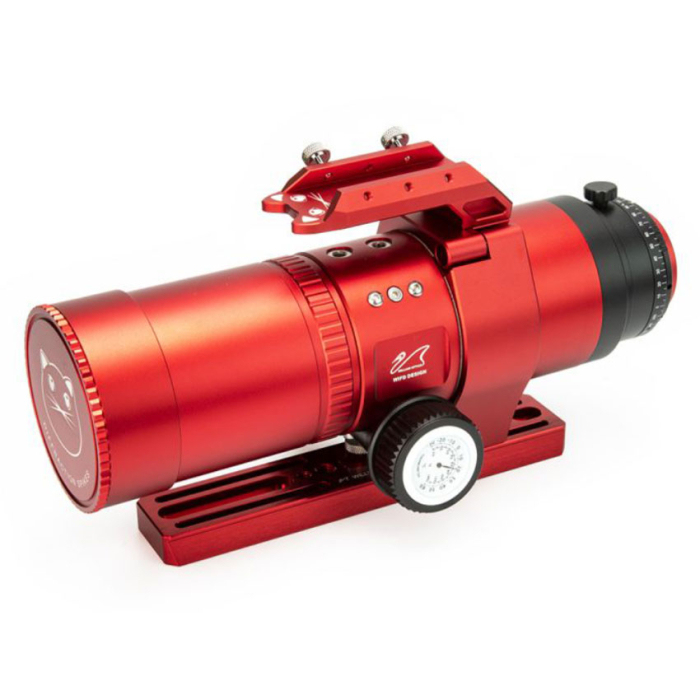
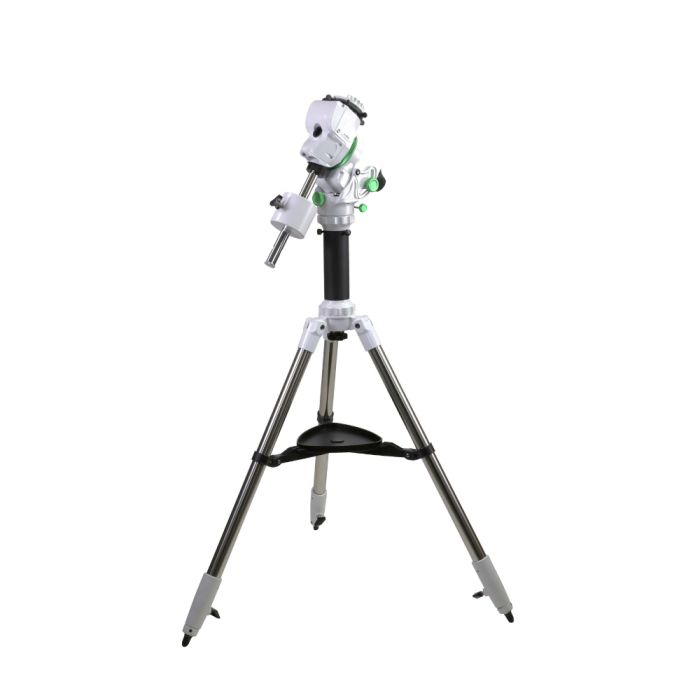
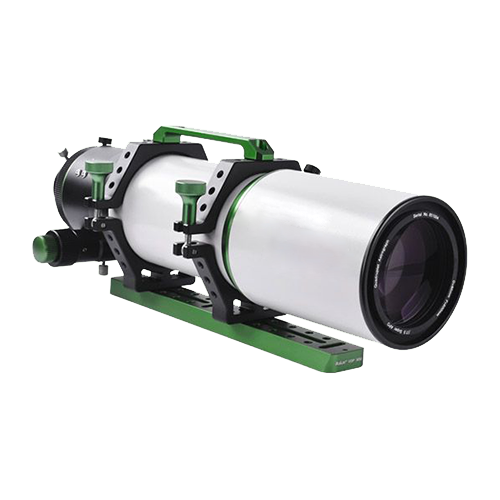
The RedCat 51 is the emotional center of the rig: wide field, forgiving framing, and a reputation for being approachable. The DSLR keeps capture familiar while you learn tracking and processing. The Star Adventurer GTi is the practical backbone—light enough to use often, structured enough to feel like real astrophotography rather than a one-off experiment.
Part by part
51 mm Petzval refractor with a wide, forgiving field
Chosen to keep framing forgiving and setup stress low while still delivering an optical tube users can keep for a long time.
Tradeoff Excellent for larger targets, but it will not give the tighter image scale someone wants for smaller galaxies.
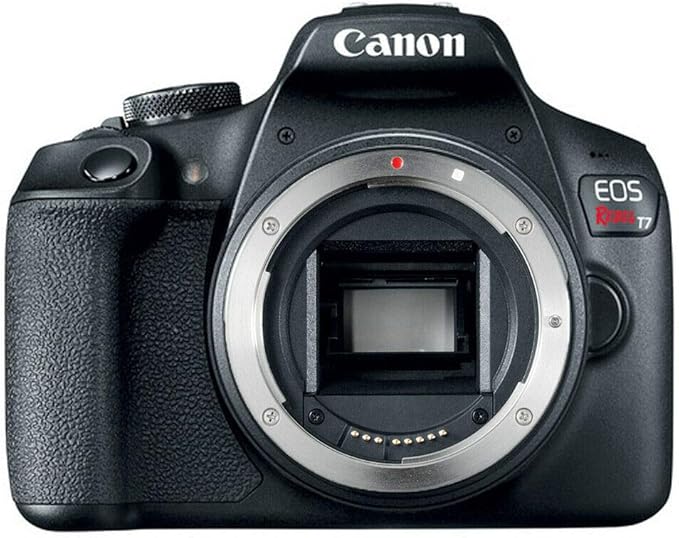
Accessible APS-C DSLR that keeps the build approachable
Keeps the entry price realistic and gives new users a familiar capture workflow without adding cooling, power, or software complexity immediately.
Tradeoff You trade some sensitivity and temperature control for accessibility and cost control.
Compact GoTo tracker that supports a lightweight imaging kit
This is the part that makes the whole build practical: portable enough to take outside often, but structured enough to learn real tracking and GoTo workflow.
Tradeoff Payload headroom is intentionally limited, so later upgrades have to stay disciplined.
Budget breakdown
| Component | Item | Price |
|---|---|---|
| Telescope | William Optics RedCat 51 | $649 |
| Camera | Canon EOS Rebel T7 | $399 |
| Mount | Sky-Watcher Star Adventurer GTi | $989 |
| Estimated total | $2,037 | |
Prices are approximate and may vary by retailer. Check individual component pages for current pricing.
Why this build works
The RedCat 51 keeps framing generous, which makes target acquisition and guiding less punishing.
The Canon T7 is accessible, familiar, and good enough to produce rewarding early results.
The Star Adventurer GTi keeps the system portable while still giving users a real path into tracked imaging.
Tradeoffs and alternatives
The field of view favors larger targets rather than smaller galaxies or tighter framing.
A DSLR is less sensitive than a dedicated cooled astronomy camera for faint targets.
The mount is intentionally compact, so long-term upgrade headroom is more limited.
Build specifications
| Spec | Value | Notes |
|---|---|---|
| Focal length | 250 mm | Primary optical tube |
| Focal ratio | f/f/4.9 | Speed of the optical system |
| Aperture | 51 mm | Light-gathering diameter |
| Telescope type | Refractor | Optical design |
| Resolution | 24 MP | Megapixels |
| Pixel size | 3.72 μm | Sensor pixel pitch |
| Image scale | 3.07″/px | Arcseconds per pixel |
| Field of view | 5.11° | Horizontal field of view |
| Mount payload | 11 lbs | Maximum safe payload capacity |
| Motor type | DC Servo | Drive system |
| Estimated total | $2,037 | As listed for this build |
| Components | 3 | Parts in this configuration |
| Use case | Widefield deep-sky imaging | Primary imaging goal |
| Experience level | Beginner | Suggested audience |
| Author | UnstableGraviton | Shared by |
Discussion 1
Join the discussion — log in or create an account to leave a comment.
Testing